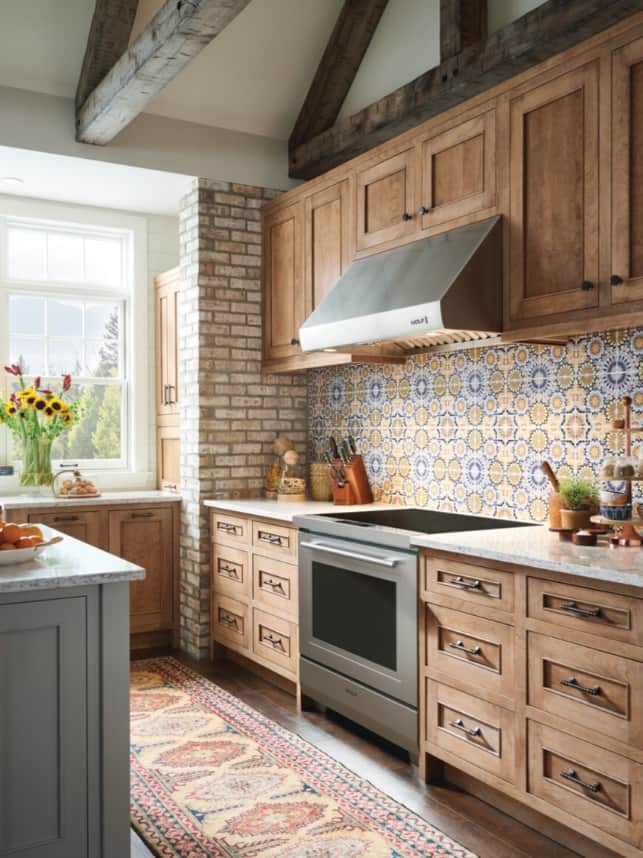
Ranges
Pro-style ranges and what defines them
A pro-style range brings commercial cooking cues into a residential unit: heavier burners, deeper cast grates, larger oven cavities, and controls built for high heat. Wolf, Thermador, Viking, and La Cornue each interpret that differently. Wolf carries dual-stacked sealed burners and its red-knob controls; Thermador is known for the Star burner and Freedom induction on the cooktop side; Viking leans on heavy sealed and open-burner designs; La Cornue builds range-cookers with a vaulted oven and a made-to-spec character. The Wolf vs Thermador range comparison breaks down where the two most cross-compared burner systems part ways.
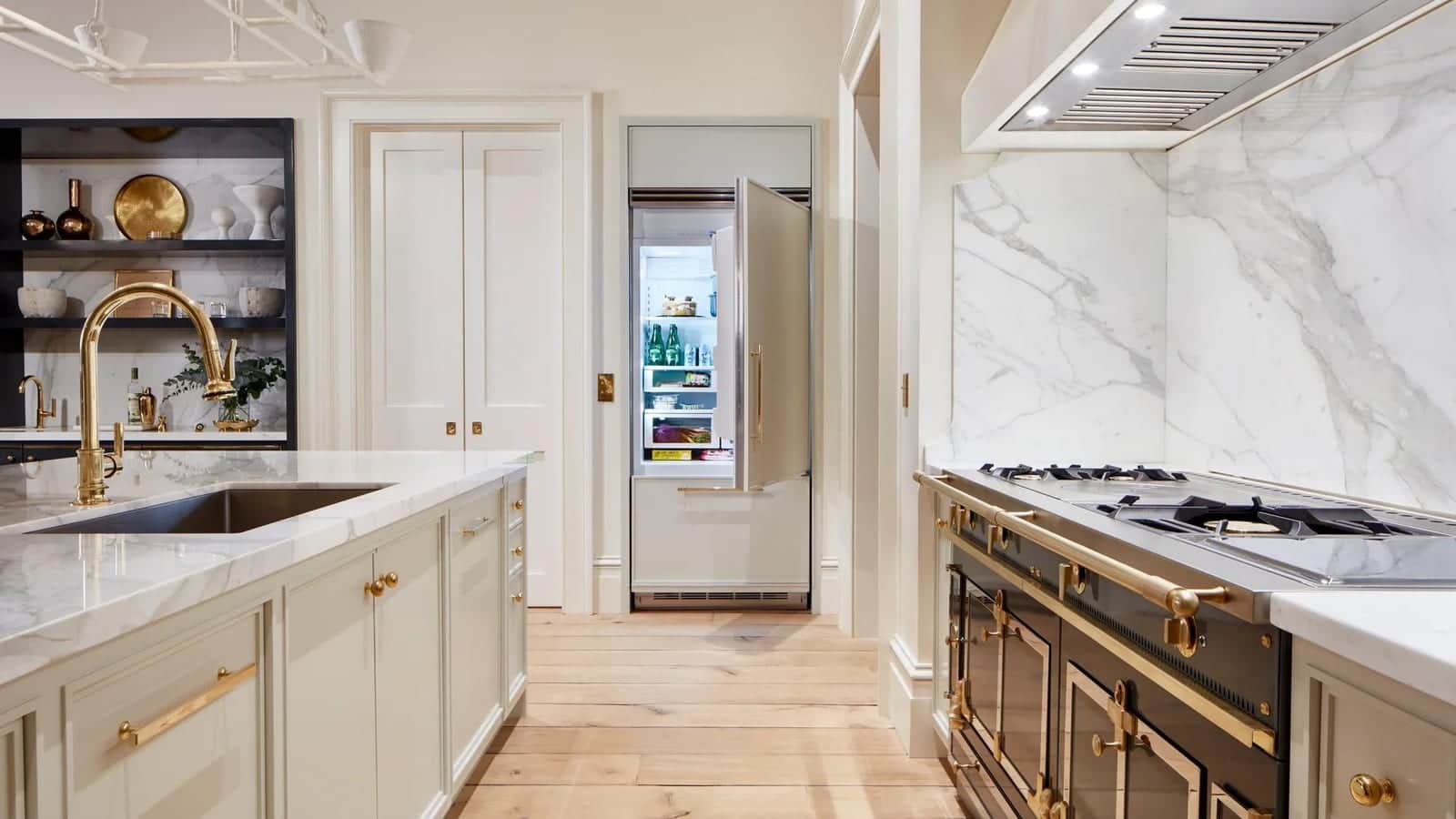 Viking
Dual-fuel vs all-gas
The core fork on any pro range is the oven. All-gas runs a gas cooktop and a gas oven, which holds a moister cavity some cooks prefer for roasting. Dual-fuel pairs a gas cooktop with an electric oven, and many bakers choose it because electric heat holds a steadier, more even temperature for pastry and multi-rack work. A third path is induction on top with an electric oven, which trades open flame for fast, precise, easy-to-clean surface heat. The induction vs gas guide covers how each surface behaves under real pans so the cooktop choice is not made blind.
The 48-inch range and cooktop configuration
Forty-eight inches is where the cooktop gets configurable. The extra width typically buys six burners plus a module: an infrared griddle, a grill, a French top, or a second induction zone. Some 48-inch ranges run one large oven, others split into a large and a small cavity so you can bake and roast at two temperatures at once. Think about the modules you would actually use, the total burner count you can keep lit, and whether a split-oven layout earns its place. The 48-inch range guide lays out the common cooktop and oven combinations across brands.
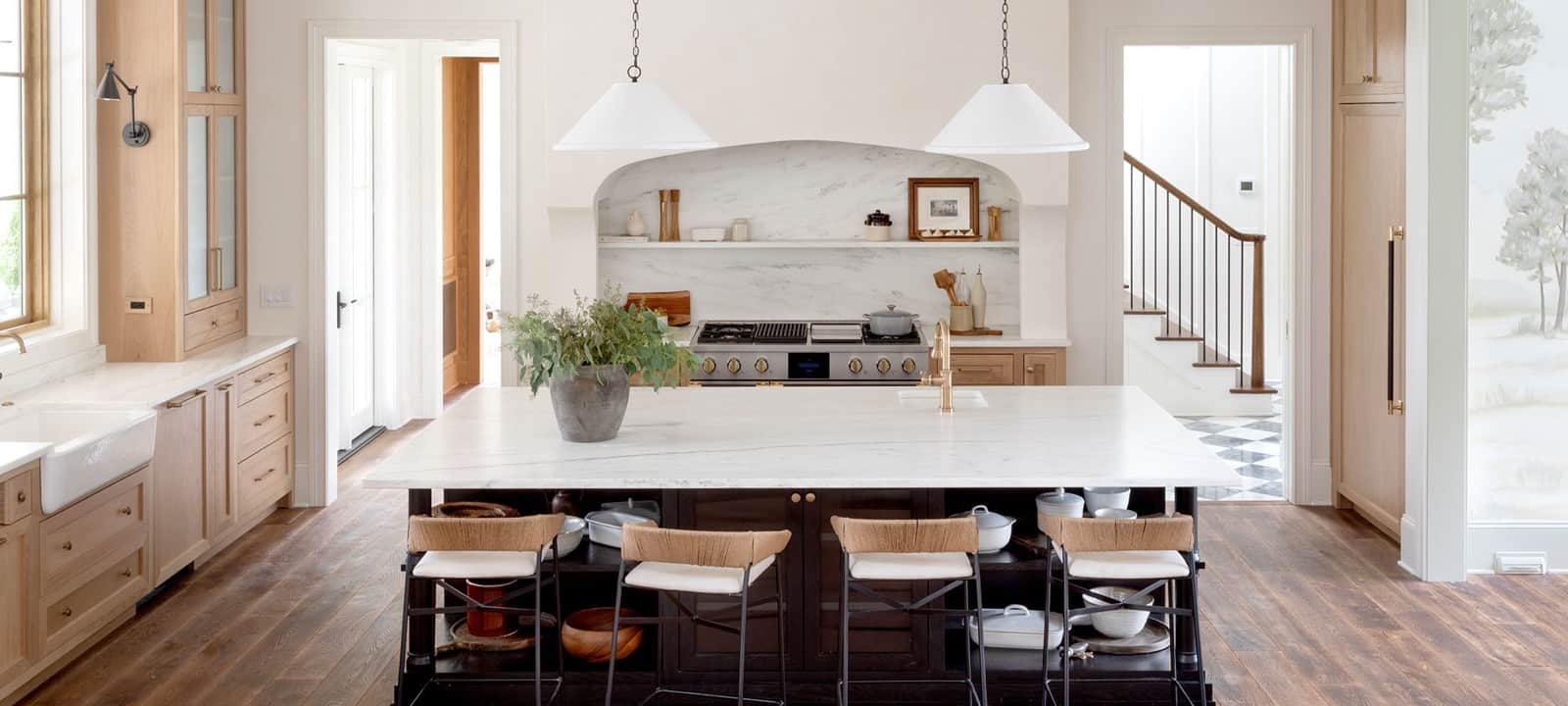
Monogram 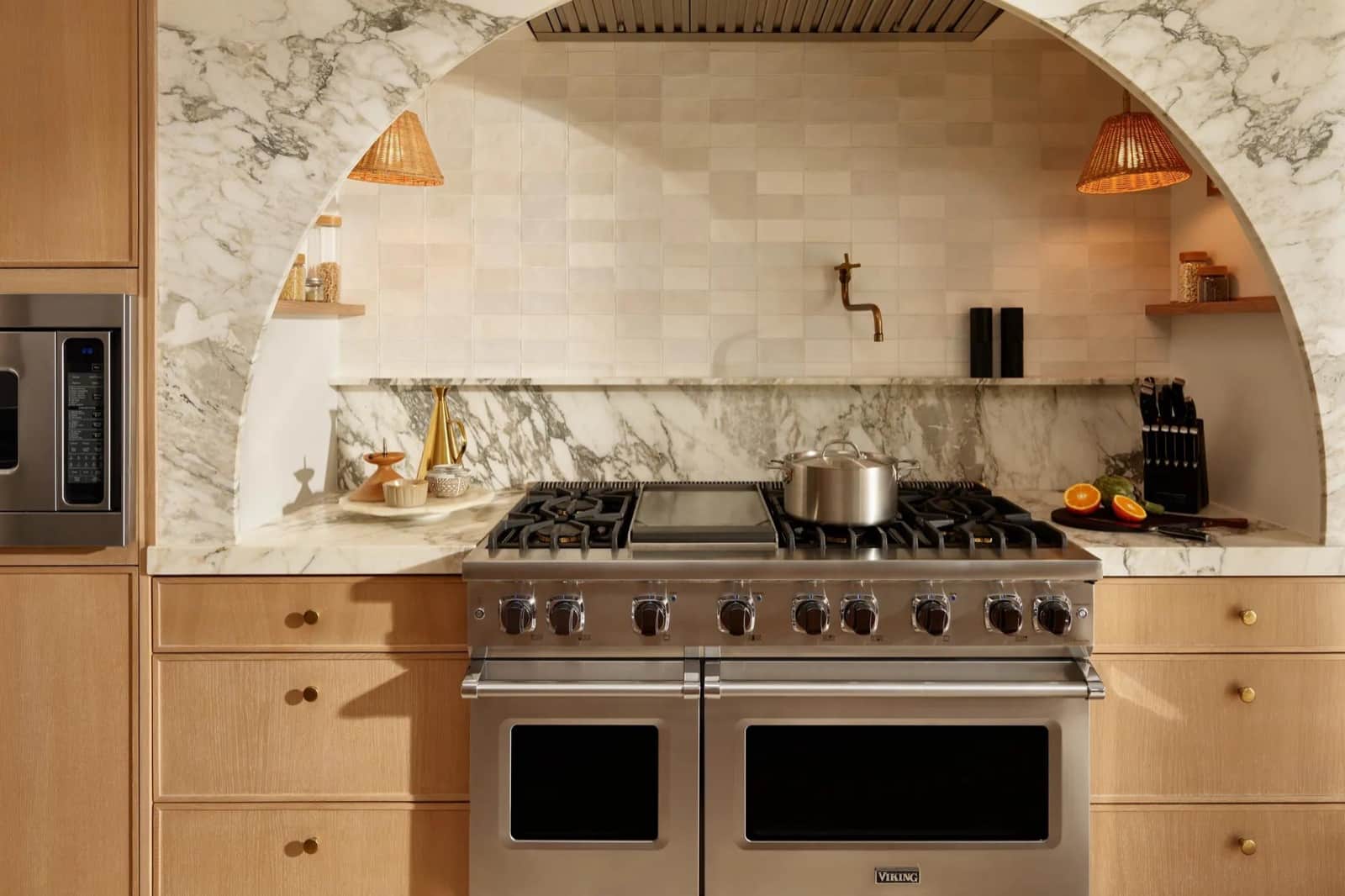
Viking 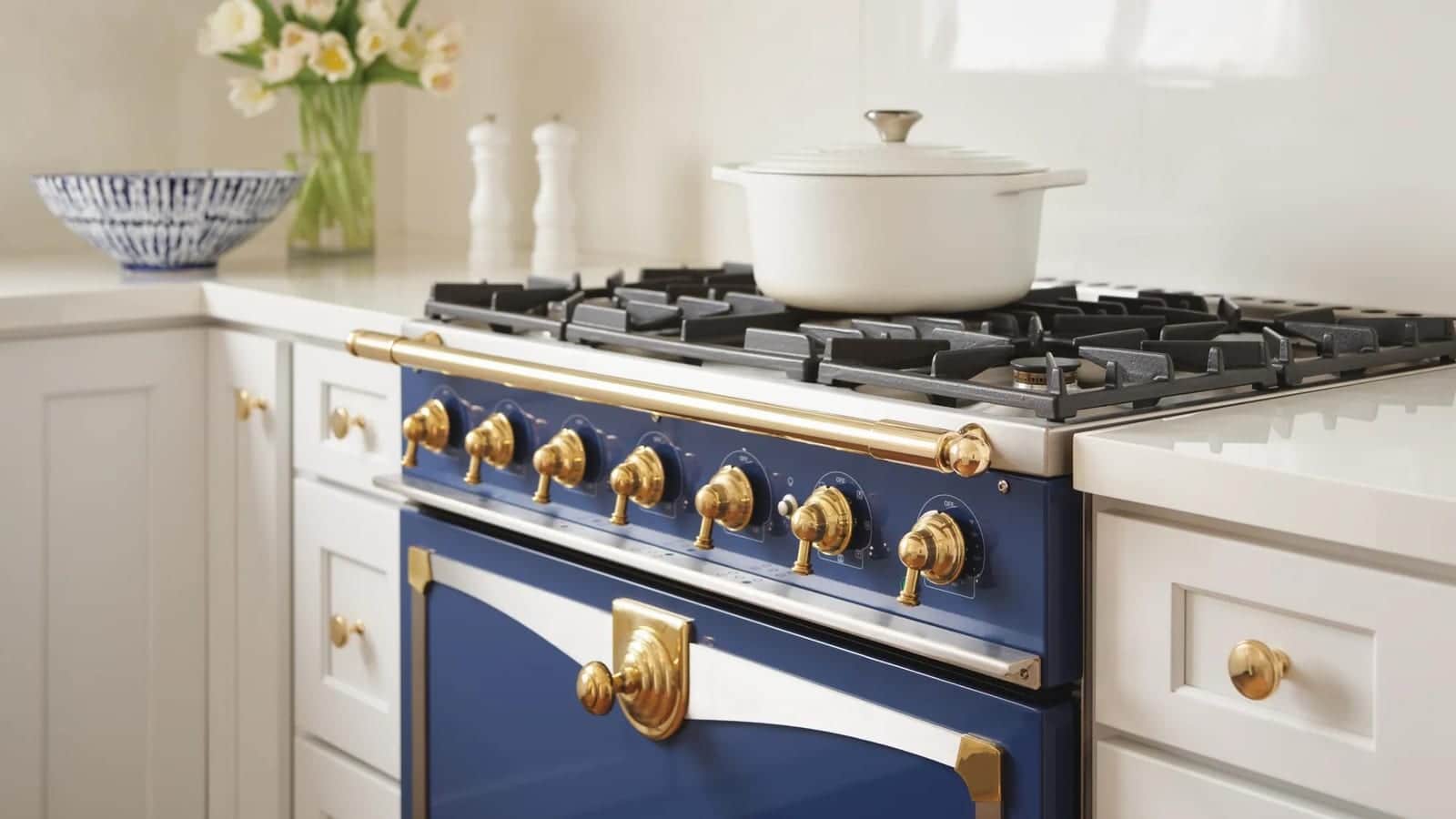
La Cornue 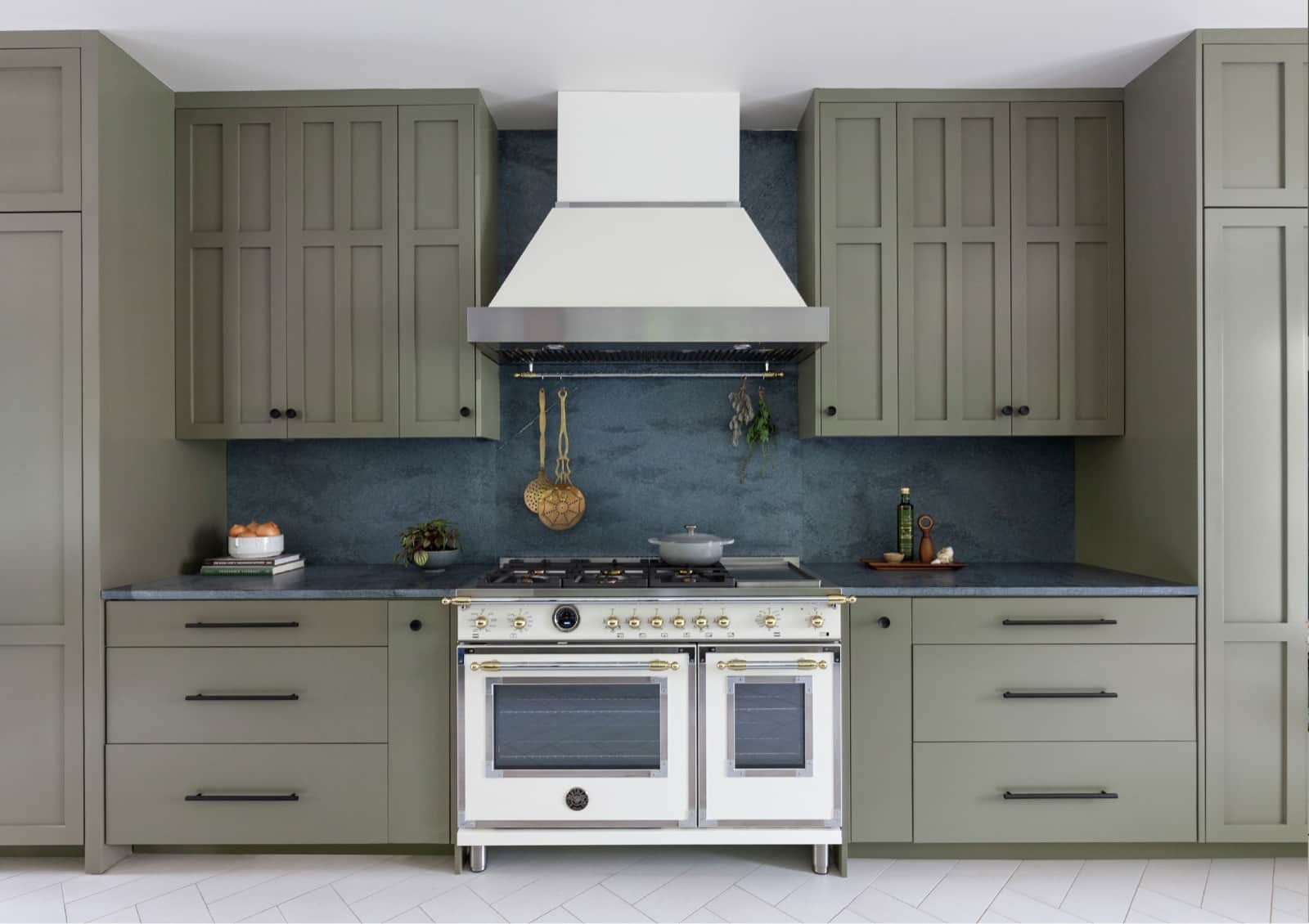
Bertazzoni 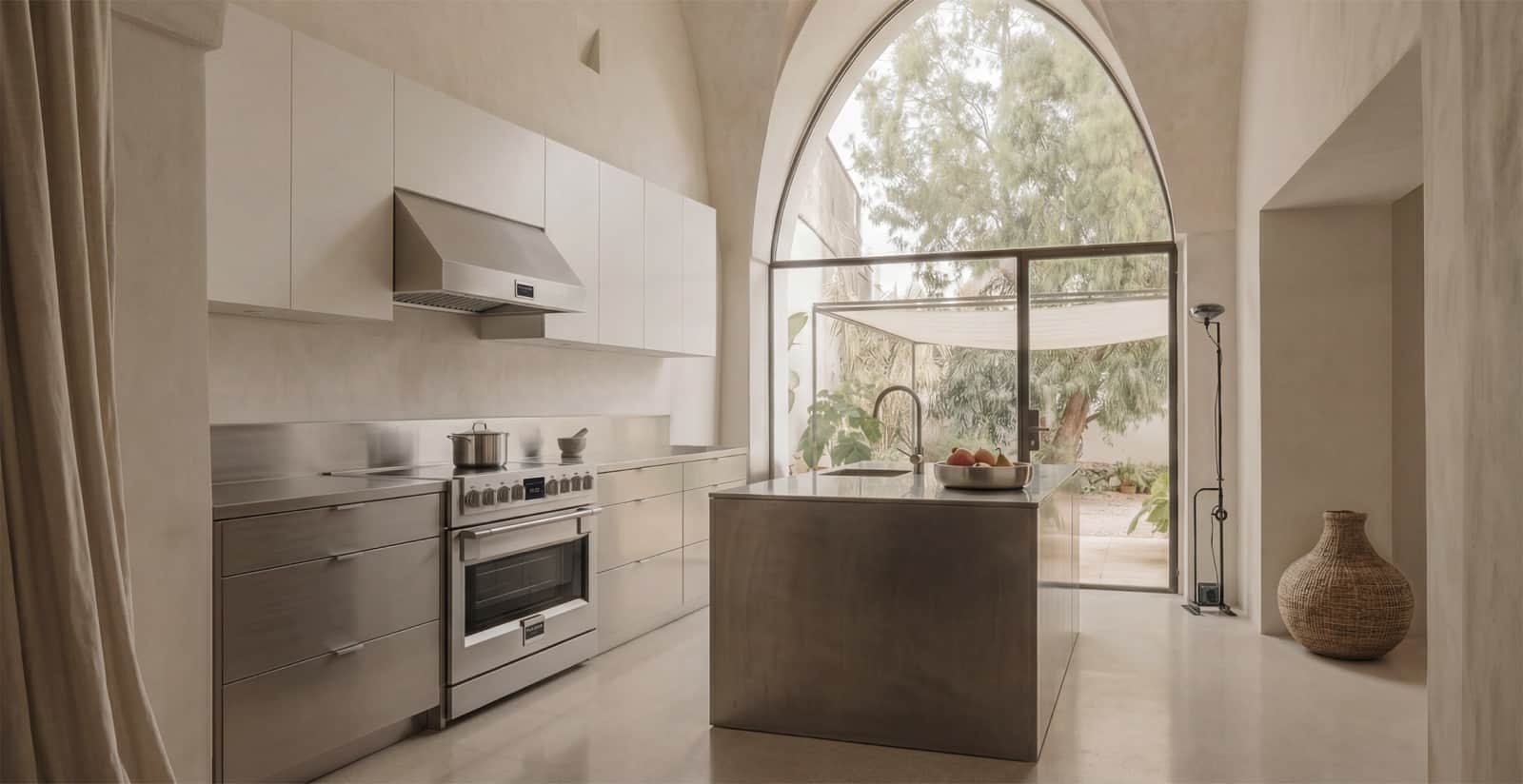
Fulgor Milano
Choosing a range by how you cook
Match the range to the food, not the spec sheet. High-heat wok and sear work with frequent low simmers rewards a two-tier burner; heavy baking rewards a dual-fuel or split oven; a griddle or French-top module earns its width only if it fits your weekly cooking. Confirm the gas supply and, for dual-fuel or induction, the electrical the range needs before you commit. Running these under real flame and load settles most questions, at the Roseville showroom in the Sacramento metro. In the Inland Northwest, the appliance showroom near Spokane and Coeur d'Alene takes the same questions at the Post Falls showroom desk.
Compare pro ranges under real burner and oven settings at the Roseville showroom and see which cooktop layout fits how you cook.