 Wolf
Cooktops and Rangetops
Cooktop or rangetop: settle the layout first
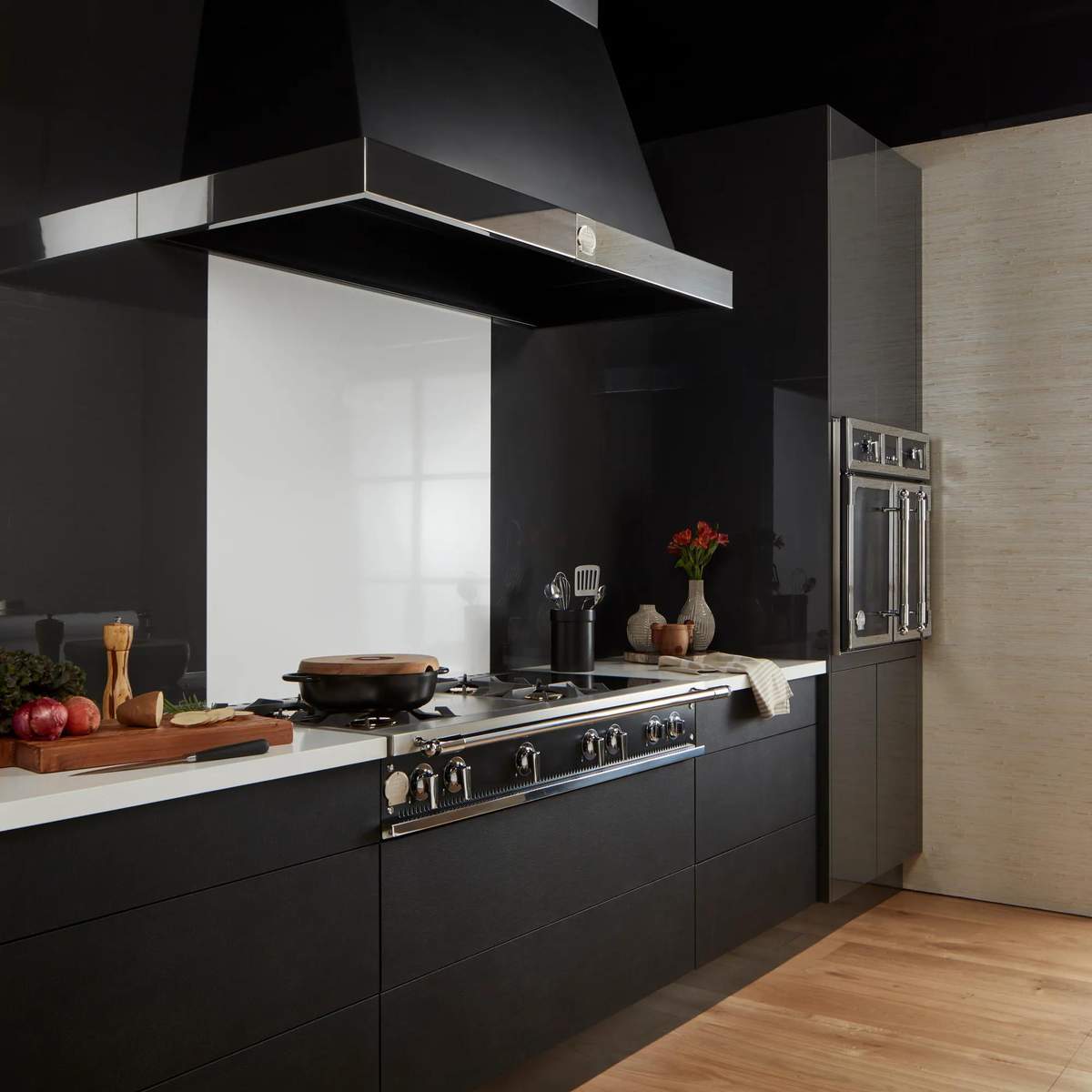
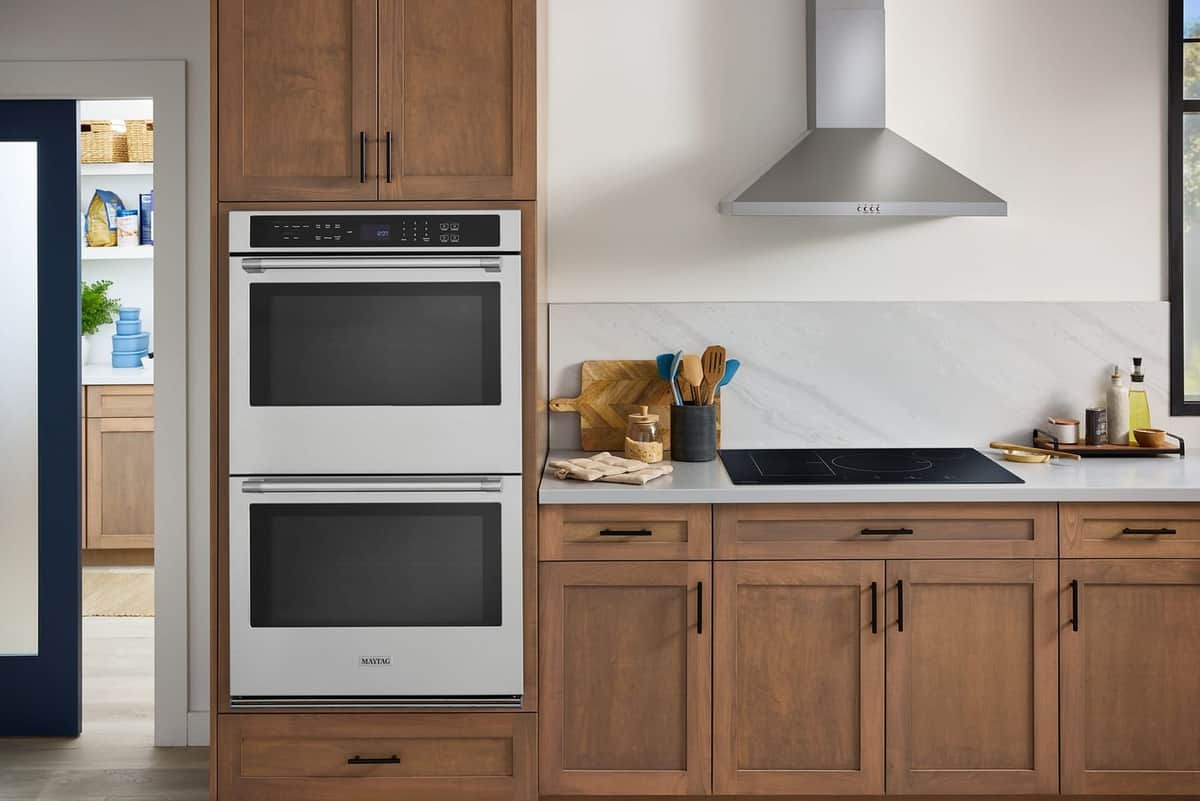
Choosing a cooktop or a rangetop means the oven moves somewhere else, usually into a wall oven column, so the cooking surface and the baking can sit where the kitchen works best. A rangetop is the top of a professional range on its own: it slides into a cutout in the counter, stands slightly proud of it, and its knobs face you on the front. A cooktop drops into the counter with its controls on the surface. The rangetop reads as a piece of professional equipment; the cooktop disappears into the stone. The rangetop vs cooktop guide compares the two in detail, and the wall ovens page covers the other half of a split cooking layout.
Gas, induction and electric
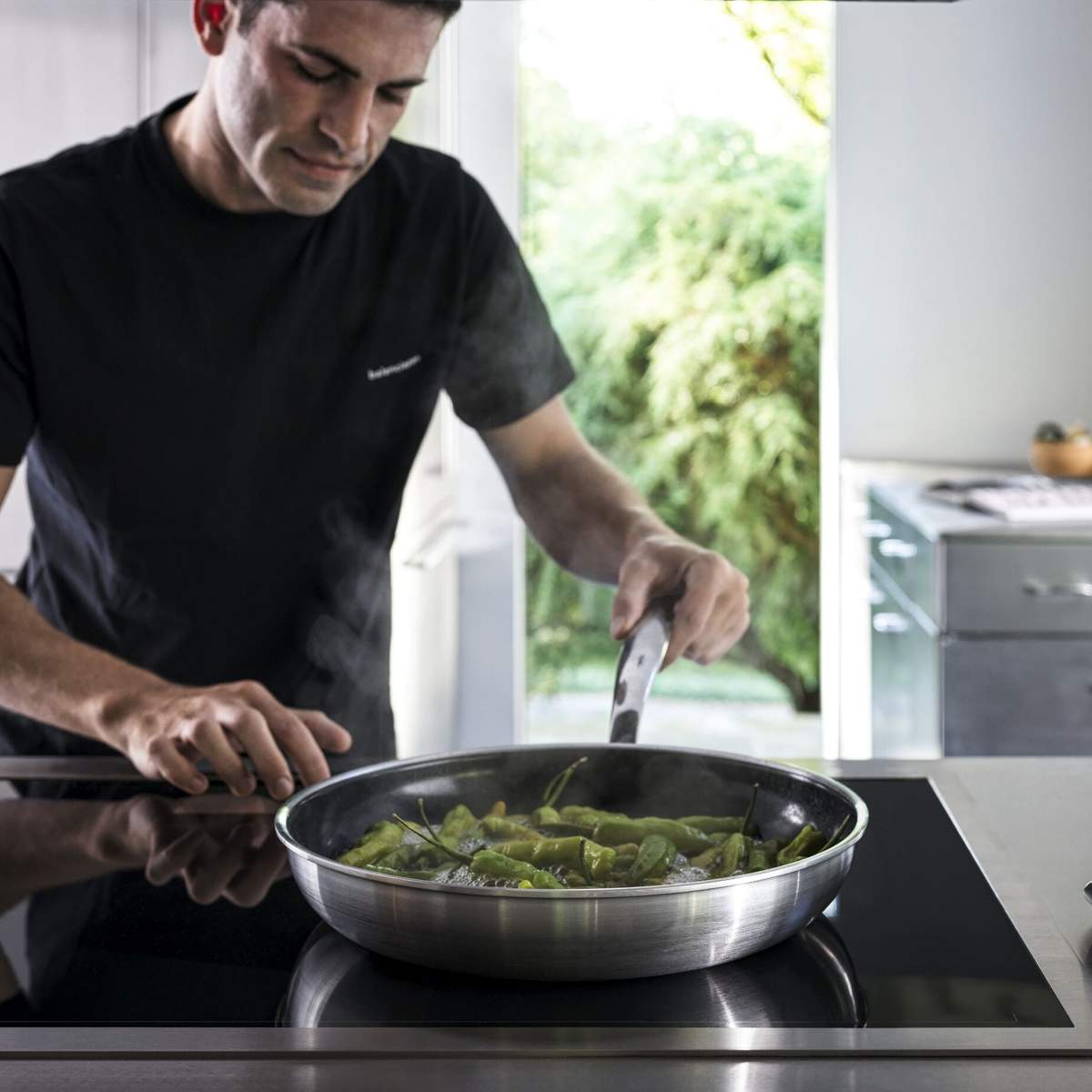
Gas is the open flame: Wolf builds its gas cooktops and rangetops around dual-stacked, sealed burners that run from a high sear down to a low simmer. Induction supplies heat directly to the cookware, which is why it answers a change in setting almost at once and leaves the glass cool beyond the pan. Gaggenau offers full surface induction, where a pan works anywhere on the glass, and flex induction, whose rectangular areas combine for a large pan. Electric radiant cooktops are still listed by some makers, including Fisher & Paykel. The induction vs gas guide and the induction cooktop guide go deeper on cookware and power.
Widths: 30, 36 and 48 inch
Thirty and 36 inches are the working widths for most kitchens. Thermador lists its induction cooktops at both, and its gas rangetops at 30, 36 and 48 inches. Gaggenau lists induction at 30 or 36 inches and gas at 36. Fisher & Paykel's range runs from compact 12 and 15 inch modules up to 48 inches, so two smaller units can sit side by side. BlueStar rangetops run 30, 36, 48 and 60 inches. Width sets the burner count and the hood above it, so decide it with the cabinet plan, and confirm the cutout dimension in the installation guide of the exact model before the counter is templated.
Rangetop configurations: griddle, charbroiler, French top
A rangetop wider than 36 inches usually trades two burners for a module. Wolf pairs its sealed burners with an optional charbroiler, griddle or wok burner. BlueStar offers a griddle, a charbroiler or a French top, and lists some models as interchangeable between them. Gaggenau takes the modular idea furthest with its Vario units, single cooking elements such as a Teppan Yaki, a grill, gas burners and a downdraft that are set into the counter in a row of your own design. Pick the module for what you cook every week, not once a year: a griddle earns its width for breakfasts and smash burgers, a French top for sauces held at a gentle heat. Viking lists rangetops at 30, 36 and 48 inches as well.
Ventilation, gas and power
Every cooktop and rangetop brings three planning items with it. Ventilation comes first: a hood at least as wide as the cooking surface, sized to its output, which the range hoods and ventilation page and the range hood size calculator walk through. An island cooktop can use a downdraft instead, and Elica builds the extraction into the cooktop itself. Gas needs a supply line sized for the total burner output; induction needs a dedicated circuit at the rating the installation guide states. The delivery and installation page explains how an installation is scheduled, and you can see cooking surfaces in person at the Roseville showroom.
Cooktop and rangetop questions
What is the difference between a cooktop and a rangetop?
A rangetop is the cooking surface of a professional range without the oven: it slides into a counter cutout and its knobs face you on the front. A cooktop drops into the counter and its controls sit on the surface or the counter edge. Both leave the oven to a separate wall oven.
What widths do cooktops and rangetops come in?
Thirty and 36 inches are the common cooktop widths, and makers list smaller and larger formats too. Rangetops are listed at 30, 36 and 48 inches, and BlueStar also lists 60 inches. Check the cutout dimension in the installation guide of the exact model before the counter is templated.
Gas or induction?
Gas gives a visible flame and works with any pan. Induction heats the pan directly, responds quickly and leaves the glass cool around the pan, but it needs magnetic cookware and the electrical supply the model lists. Many kitchens pair an induction cooktop with a gas rangetop or the reverse.
Does a rangetop need a hood?
Yes. A gas rangetop is a high-output surface and needs ventilation sized to it. The hood should be at least as wide as the rangetop and sized for its total output; local code governs make-up air.
Compare gas and induction cooking surfaces side by side at the Roseville showroom.